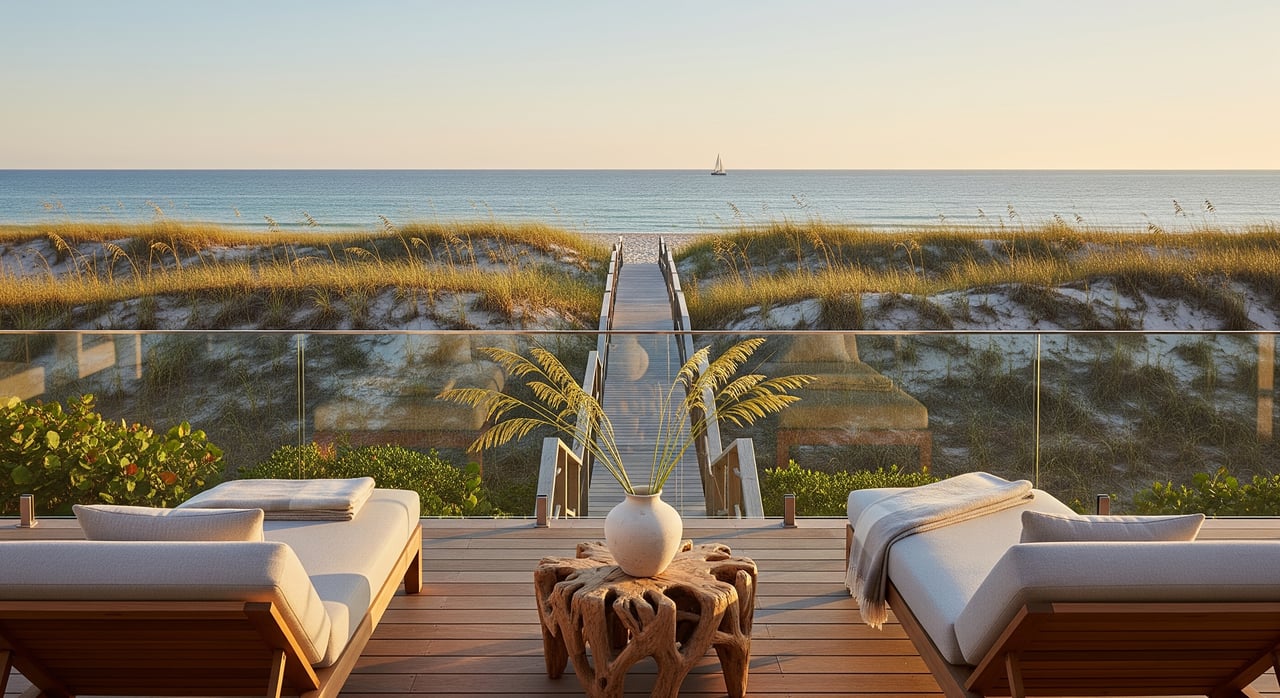
If you crave an easy, nature-filled escape, Hobe Sound delivers. You get broad beaches, quiet mangrove-lined waters, and a slower pace that feels like old Florida. Whether you are visiting for the first time or scouting a potential place to live, this relaxed two-day plan shows you how to enjoy the best of Hobe Sound without rushing. You will find beach time, paddling, wildlife viewing, and low-key local flavor, plus practical tips on tides, parking, and seasonality. Let’s dive in.
Hobe Sound at a glance
Hobe Sound sits along the Treasure Coast in Martin County, north of the bigger South Florida hubs. It feels calmer than urban centers to the south, with low-rise buildings, native coastal plants, and a lifestyle centered on the water. You are close to airports and city amenities when needed, but your everyday rhythm can be sunrise walks, boat days, and quiet sunsets.
Day 1: Coastal loop and sunset
Start with the shoreline, then work your way to preserves and a waterfront dinner.
Sunrise at Hobe Sound Beach
Beat the heat with a sunrise or early morning walk. You can shell, watch shorebirds, and settle into the day before the sun gets strong. For an overview of beach options in the county, browse the Martin County tourism guide to local beaches at Discover Martin’s beaches overview.
Practical tips:
- Arrive early for easier parking on busy weekends.
- Bring water, sunscreen, and light sun protection.
- Check the swim flags and local conditions before getting in the water.
Blowing Rocks Preserve late morning
Head to Jupiter Island for a short, scenic stop at The Nature Conservancy’s Blowing Rocks Preserve. The Anastasia limestone shoreline creates narrow channels where waves can “blow” water up during higher tides. Boardwalks, dune vegetation, and a few interpretive signs make this a great spot for photos and geology fans.
Practical tips:
- Plan your visit around higher tides for the most dramatic blowholes. Check tide times on NOAA Tides and Currents.
- Expect minimal facilities. A small parking fee or donation may apply.
- Wear sturdy sandals or water shoes if you plan to explore near the rocks.
Lunch and a short stroll in town
After the preserve, return to the U.S. 1 corridor for a simple lunch. Keep it casual, then take a short walk to get a feel for local shops. For current eateries and events, the Hobe Sound Chamber of Commerce is a helpful starting point.
Afternoon wildlife time at the refuge
As the day cools, shift to the Hobe Sound National Wildlife Refuge. This protected area has barrier-island dunes and shorelines that support sea turtles and a range of bird species. Some areas are boat-access only, so plan accordingly. Review rules and access guidance on the U.S. Fish and Wildlife Service’s Hobe Sound National Wildlife Refuge page.
Practical tips:
- Observe wildlife from a distance. Do not feed animals.
- Follow posted guidance around nesting shorebirds and sea turtles.
- Pack binoculars for wading birds and raptors along the Intracoastal.
Sunset and waterfront dinner
Cap the day with a sunset walk along the Intracoastal or a quiet beach access, then enjoy a waterfront dinner. Weekend nights can be busy, so consider a reservation.
Day 2: River, preserves, and easy-going evening
Day two is all about the Loxahatchee River and the area’s big state park.
Paddle the Loxahatchee at Jonathan Dickinson
Launch your morning at Jonathan Dickinson State Park. The Loxahatchee is a federally designated Wild and Scenic River, and paddling here feels worlds away. Expect tannin-stained water, cypress knees, palms, and bird song. Outfitters at the park rent kayaks and canoes, and some offer shuttle options.
Practical tips:
- Florida State Parks collect vehicle entrance fees. Bring a card or cash.
- Reserve rentals in advance on weekends and during high season.
- Pack insect repellent, water, and a dry bag. Trails can be muddy after rain.
Picnic or casual lunch
Keep it simple with a park picnic or a quick meal on your drive back toward town. Give yourself time to relax before the afternoon session.
Afternoon on the water or by the harbor
If you are a boater, consider a short cruise along the Intracoastal or a nearshore fishing charter. If not, harbor-side strolling and boat watching are easy alternatives. Check tides and weather before any on-water plans. The NOAA Tides and Currents portal is useful for tide timing, and the National Hurricane Center is your authoritative source during hurricane season.
Low-key evening finish
Wrap your weekend with a quiet sunset at a less crowded beach access or a local café. This is the moment when many visitors start imagining what life here could look like day to day.
What to know before you go
A little planning helps you keep the pace easy.
- Parking and fees: Beaches and preserves can fill on busy weekends. Arrive early, bring a card for parking or entrance fees, and expect simple facilities at preserves.
- Sea turtle nesting: The coastline is vital habitat. Follow local lighting rules at night and keep clear of marked nests. Review nesting-season guidance from the Florida Fish and Wildlife Conservation Commission.
- Weather and seasons: Summer is hot and humid with quick afternoon storms. Winter is milder and drier, perfect for full outdoor days. Hurricane season runs June 1 through November 30. Monitor advisories via the National Hurricane Center.
- Water safety: Watch for rip currents, follow swim flags, and use life jackets when boating or paddling. Check tides before launching.
- Accessibility: Many county beach parks and preserves have boardwalks and restrooms. Not all areas are fully ADA accessible, so confirm site details before you go.
Birding highlights and wildlife etiquette
Hobe Sound is a quiet spot for birding and wildlife viewing, from wading birds along mangroves to raptors overhead. If you like building a species list, use the Great Florida Birding and Wildlife Trail to find regional hotspots and seasonality notes.
Etiquette reminders:
- Give wildlife space. Use binoculars or a long lens for photos.
- Respect marked nesting areas for shorebirds and sea turtles.
- Pack out what you bring in and stay on established paths.
When to visit for a quiet weekend
If you prefer cooler air and lower humidity, winter through early spring is ideal. You will still want a light jacket for early mornings on the water and along the beach. In summer, plan sunrise starts and midday breaks, then return outside for late afternoon and sunset. Weekdays are typically quieter than weekends, and early arrival helps everywhere.
How this lifestyle translates to living here
If the last two days left you picturing a home base near a marina, a quiet street by the Intracoastal, or a condo that makes sunrise beach walks easy, you are not alone. Many buyers come for a weekend and start exploring neighborhoods soon after. You will want clarity on waterfront options, HOA rules, boat storage possibilities, and which pockets put you closest to the activities you love.
When you are ready to turn a great weekend into a well-informed search, reach out to Stefan Levine P.A.. You will get straight answers, on-the-ground insight, and a thoughtful plan that fits how you live.
FAQs
What is Hobe Sound best known for?
- A relaxed, old Florida outdoor lifestyle with beaches, paddling on the Loxahatchee, wildlife viewing, and easy access to preserves and the Intracoastal.
Do I need a reservation for Blowing Rocks Preserve?
- Reservations are not typically required, but parking is limited and a small fee or donation may apply. Plan for minimal facilities and check tides for the best wave action.
When is sea turtle nesting season and what should I do?
- Nesting occurs seasonally, most active in warmer months. Keep a distance from marked nests, avoid lights on the beach at night, and follow posted rules.
Is the Loxahatchee River paddle beginner friendly?
- Yes, many first-timers enjoy the calmer stretches near the state park. Renting through an on-site outfitter and starting early makes for a smooth introduction.
What is the best tide to see the “blow” at Blowing Rocks?
- Plan for higher tides and some wave action to see water spray through the rock channels. Check local tide tables before you go.
Where can I find beach and parking info?
- County tourism and parks pages list current beach access details, parking locations, and any advisories. Arrive early on summer weekends to secure a spot.
