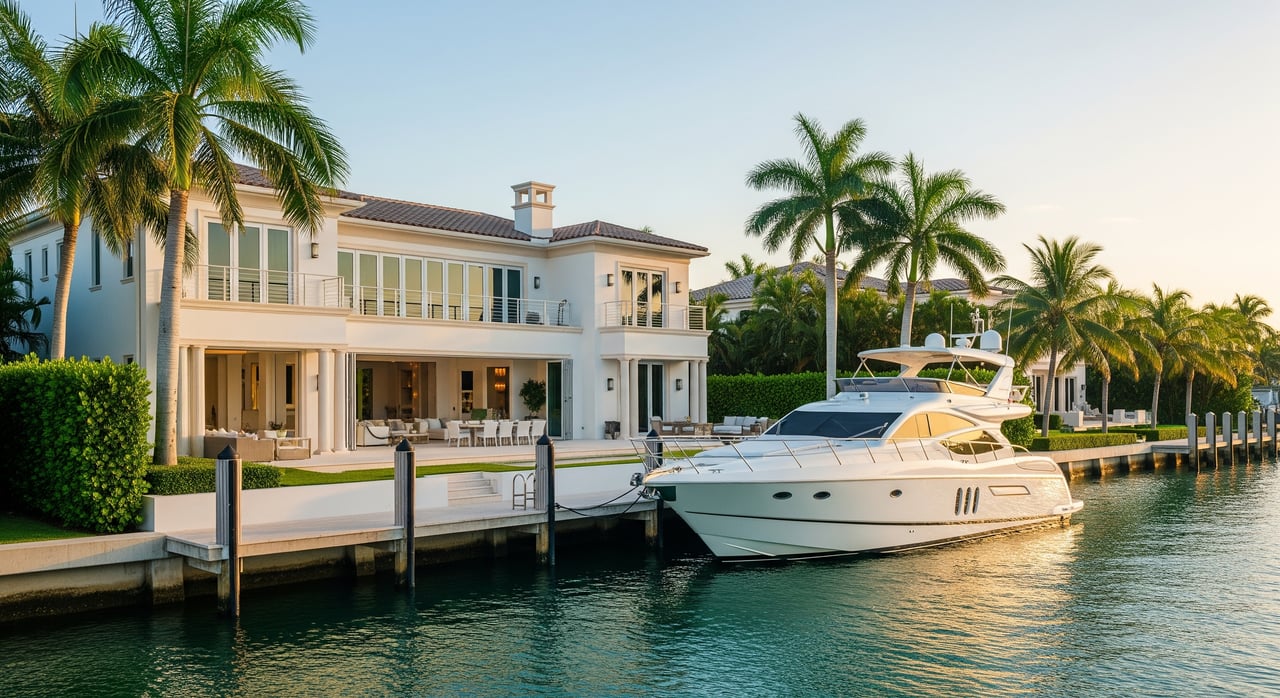
If you judge a home by how fast you can get from dock to open water, North Palm Beach should be on your shortlist. The village sits along the Intracoastal Waterway, with canals and basins that make boating part of everyday life. Choosing the right neighborhood comes down to clear, practical details like depth, bridges, dock rights, and marina support. In this guide, you will learn how to compare communities, assess boat access, and focus your search with confidence. Let’s dive in.
How North Palm Beach boating works
North Palm Beach hugs the Intracoastal Waterway, the protected route that connects local docks and marinas to nearby inlets and services. Many homes sit on canals that feed into the ICW, while others front wider basins or the ICW itself. Your daily boating experience depends on where your slip sits and how you reach the ICW or ocean.
You also benefit from the broader West Palm Beach and Riviera Beach corridor just to the south. That area concentrates full-service marine yards and marinas for fuel, haul-outs, mechanical and electronics work, and provisioning. When you evaluate a property, consider both your dock and your access to support services.
Neighborhood types that fit boaters
Waterfront single-family with private docks
Detached homes along canals, basins, or the ICW often include private docks. You get direct access and control over your setup, which is ideal if you have a specific vessel in mind.
- Advantages: private access, potential for larger or deeded slips, quick launch from your backyard.
- Considerations: dock ownership versus licensed use, seawall condition, depth at the dock, and ongoing maintenance and permitting.
Canal-front subdivisions
These areas use a grid of canals that link to the ICW. Lots vary in size and orientation, and many support private docks. Canal design affects daily use.
- Advantages: strong boating lifestyle and often more approachable pricing than estate waterfront.
- Considerations: canal depth and width can limit vessel size; turning basins may be tight; dredging history matters.
Gated or amenity communities with shared marinas
Planned neighborhoods and condo complexes may offer a community marina with wet slips or dry-stack options. Managed operations can simplify life.
- Advantages: slip security, organized leasing, and maintenance handled by the association or marina operator.
- Considerations: HOA rules on slip assignment and transfer, waiting lists, slip fees, and guest slip policies.
Condos and waterfront townhomes with assigned slips
Multi-unit properties sometimes include deeded or leased slips. This setup is attractive if you prefer lower home maintenance with on-site boating.
- Advantages: less personal maintenance, convenient locations near amenities.
- Considerations: confirm if the slip is deeded or leased, understand yearly fees, and check rules on vessel types and use.
Deepwater estates and larger yacht-capable properties
Within village boundaries, larger deepwater options are fewer but exist. These properties can support bigger vessels and may offer shorter runs to the ocean.
- Considerations: channel depth and bridge clearance on your route, potential private dredging costs, and environmental permitting for improvements.
What makes a “best” boating neighborhood for you
Weekend cruisers and small powerboats
If you primarily use a center console or runabout, focus on canal-front homes or condos with assigned slips. Look for convenient ICW access, reasonable depth at your dock, and simple fueling options nearby. A shorter run to the inlet can be a bonus if you love quick offshore trips.
Sailors who need clearance
Sailboats require both depth and air clearance. Favor properties with direct ICW or basin access so you can avoid low fixed bridges. Confirm bridge heights on your planned routes and check depth along the path to open water. A community marina with a travel lift in range is another plus.
Yacht owners and long-range cruisers
If you run a larger motor yacht, prioritize direct deepwater access and proximity to full-service yards in the West Palm Beach and Riviera Beach area. Verify channel depth at low tide, bridge clearances, and turning room in canals or basins. Ensure insurance, fueling, and haul-out options meet your vessel’s requirements.
Due diligence checklist before you tour
Use this list to focus your search and avoid surprises. Bring it to your first showing and during inspections.
- Water depth at the dock and along the route to the ICW or inlet.
- Bridge clearances and any fixed-bridge heights on your route.
- Direct versus indirect ocean access and expected transit time.
- Dock ownership, slip conveyance, and any recorded easements.
- Seawall or bulkhead condition and documented repair history.
- Local zoning and municipal dock codes that affect improvements.
- HOA or condo rules, slip fees, and transfer policies at sale.
- Insurance for the property and your intended vessel, including windstorm and flood.
- Proximity to fuel, pump-out, and 24-hour haul-out services.
- Hurricane plans for your marina or HOA and personal storm protocols.
Depth, bridges, and ocean access
Depth and bridge clearance shape your boating life. Depth determines which drafts you can safely run, especially at low tide. Bridge clearances limit air draft for sailboats and motor yachts. Your route may include narrow canals or fixed bridges that slow transit.
- Direct access: your dock opens to the ICW or a basin with a short run to the inlet. This reduces travel time to offshore fishing or cruising.
- Indirect access: you navigate narrower canals or pass under low bridges. Plan for added time and verify the constraints against your vessel.
Before you bid on a home, request sounding information and compare it with your boat’s draft. Measure your air draft and confirm it against published bridge clearances on your route. Schedule any dockside or sea trial checks with tides in mind.
Seawalls, docks, and permitting
Your seawall and dock are critical to safety and value. Seawalls age and can be expensive to repair or replace. Docks may need upgrades to support your vessel, lifts, or shore power. Work often requires local and sometimes state or federal permits.
- Ask for recent engineer or marine contractor inspections focused on the seawall and dock.
- Verify any repairs, replacements, or dredging with municipal permit records.
- Confirm what improvements are allowed under local dock codes, including length, height, piling types, and number of slips.
A clear permitting and maintenance history reduces risk and supports resale. If a seawall is nearing end of life, negotiate price or request repairs before closing.
HOA rules and slip fees
Association rules can make or break your plan. Some communities limit boat size, restrict commercial use, or control slip assignments with waiting lists. Fees add up and may not transfer at sale.
- Obtain the full HOA or condo document set, marina policies, and recent meeting minutes.
- Confirm slip transferability, guest policies, insurance requirements, and any special assessments.
- Understand yearly costs for slip leasing or maintenance so you can budget accurately.
Clarity on rules helps you avoid unpleasant surprises after closing. Properties with deeded slips are often more attractive than those with long waiting lists.
Marina support and storm readiness
Convenient service support makes boating easier and protects your investment. Identify the nearest fuel docks, pump-outs, and full-service yards. For larger boats, confirm haul-out capacity and emergency availability.
Hurricane season adds another layer. Review your marina’s storm plan, local evacuation routes, and options for dry storage or hurricane-rated dry-stack. A well-defined plan protects your vessel and can be a selling point later.
A simple touring plan for boating buyers
Use this sequence to organize your search in North Palm Beach.
- Define your must-haves: vessel type, draft, air draft, slip size, and desired run time to the inlet.
- Shortlist community types that match: private-dock homes, canal-front subdivisions, shared marinas, or condo slips.
- Pull documents: deed, survey with bulkhead or dock, any recorded easements, and HOA or condo rules.
- Verify constraints: depth at low tide, bridge clearances, dock rights, and local dock codes.
- Inspect infrastructure: seawall and dock with a marine-focused professional.
- Confirm services: map fuel, pump-out, and haul-out options in the West Palm Beach or Riviera Beach corridor.
- Model costs: insurance, slip fees, maintenance, and potential upgrades.
- Make a confident offer with contingencies that reflect marine due diligence.
Pricing and market signals for boaters
In this area, properties with direct deepwater access are scarce and often command a premium. Homes or condos with deeded slips typically sell faster to boating buyers. On the other hand, older seawalls, shallow canals, or non-transferable slip rights can reduce value unless the price reflects the needed work.
If a home does not perfectly match your vessel, factor in the cost and timing of improvements. Depth surveys, seawall work, and dock upgrades can be negotiated as credits or addressed before closing.
Why a local, hands-on advisor matters
Buying for a boating lifestyle means more than liking a view. You need clear answers on depth, bridges, dock rights, and service access. A local advisor who works the Northern Palm Beach County market every day can help you filter quickly, verify constraints, and negotiate terms that protect your goals.
If you want to explore North Palm Beach neighborhoods that match your boat and budget, reach out to Stefan Levine P.A. for a free local market consultation. You will get a focused shortlist, a marine-specific due diligence plan, and concierge guidance from search to closing.
FAQs
What should boaters in North Palm Beach verify first when touring homes?
- Start with depth at the dock at low tide, bridge clearances on your route, and whether the dock or slip conveys with the property.
How do HOA rules affect boating in North Palm Beach communities?
- HOAs can limit boat size, control slip assignments, set fees, and restrict guest or commercial use, so review documents and meeting minutes early.
Why does seawall condition matter for waterfront buyers?
- Seawalls protect your property and docks; aging structures can require costly repairs and permits, which impact safety, budget, and resale value.
What defines direct versus indirect ocean access for local properties?
- Direct access means your dock opens to the ICW or a basin with a short run to the inlet; indirect access often involves narrow canals or low bridges.
Where do larger vessels find service near North Palm Beach?
- Full-service marinas and yacht yards are concentrated in the broader West Palm Beach and Riviera Beach area just south of the village.
What documents should boating buyers request before making an offer?
- Ask for the deed, a survey showing the bulkhead and dock, recorded easements, HOA or condo rules, recent seawall and dock inspections, and any permits.
