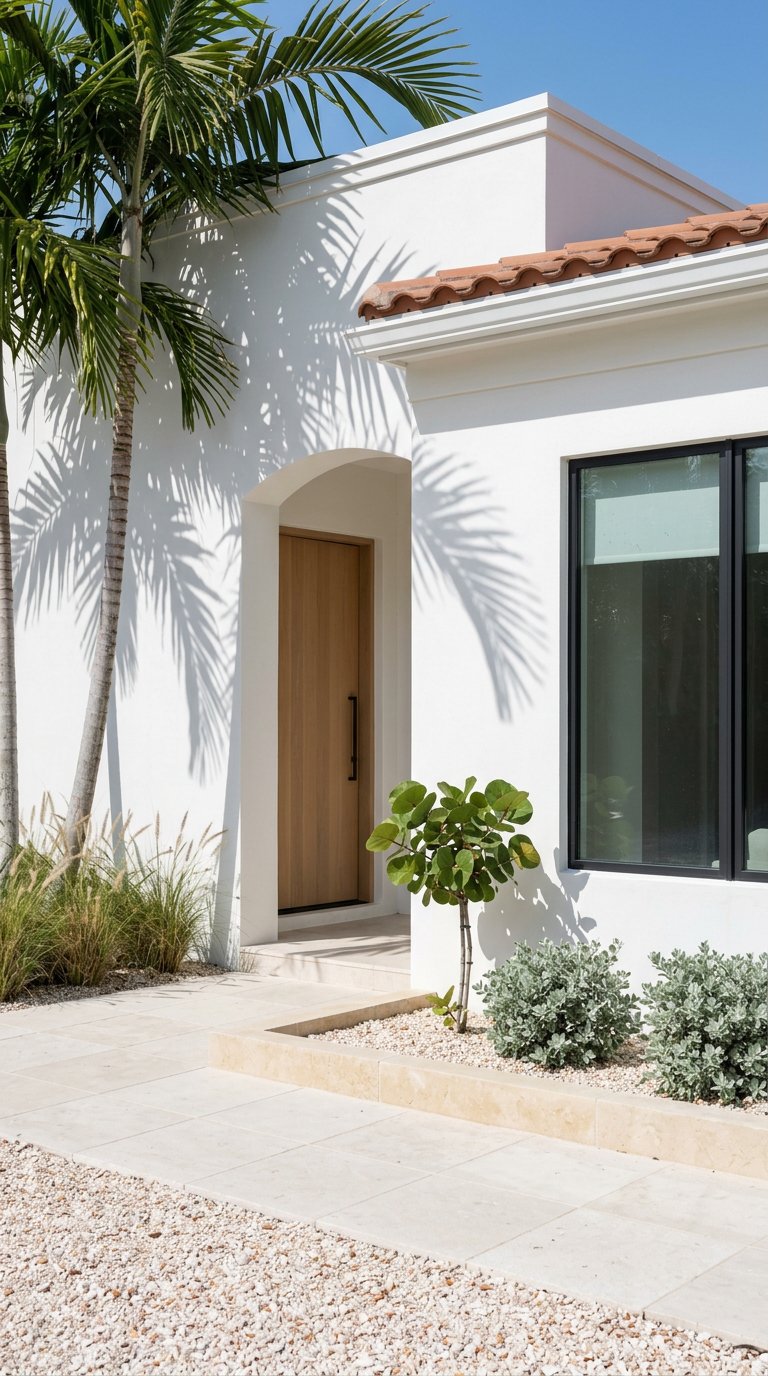
You can hear the waves, smell the salt, and be on the pier before your coffee cools. That is the day-to-day rhythm when you live close to the sand in Juno Beach. Along with the sunrise walks and sea turtle sightings, there are real coastal rules and costs to understand before you buy. In this guide, you will learn what life near the shore looks like, the housing you will find, and the practical tradeoffs so you can decide with confidence. Let’s dive in.
What close-to-sand living feels like
Juno Beach is a compact Atlantic town where the beach, public parks, and the pier shape the pace of your day. The community’s anchor is the nonprofit Loggerhead Marinelife Center, which runs education programs and is closely tied to the pier and local conservation. If you love a morning fishing session, a midday beach walk, or an evening pier sunset, this town fits that routine. You can explore the center’s programs and turtle care to get a feel for local stewardship at the Loggerhead Marinelife Center.
Public parks cluster around the heart of the beach. Loggerhead Park, Juno Beach Park, and Pelican Lake offer guarded beach areas in zones, bathrooms, picnic spots, and short walking loops that many residents use daily. Browse park amenities and plan a loop using the county’s page for Loggerhead Park and nearby facilities.
The tone is relaxed and conservation-minded. Near the pier you will see more foot traffic and families enjoying the park. A few blocks inland, neighborhoods feel quieter and more car-oriented. Many residents consciously trade a short drive for errands in exchange for easy, everyday access to the shore.
Walkability and your daily routine
Juno Beach rates as “Somewhat Walkable,” with a Walk Score in the mid-50s. If you live in an oceanfront condo or nearby pocket, you can walk to the pier, parks, and a few casual cafés. For a full grocery run or broader shopping and dining, you will use the car. See the local summary on Walk Score to understand the pattern.
What is within a short walk of the pier? The Loggerhead Marinelife Center, park amenities, guarded beach frontage in selected areas, and casual bites along nearby US-1. For a wider restaurant list or larger shops, you will likely head a few minutes into Jupiter or Palm Beach Gardens.
Peak season and holiday weekends bring visitors to the beach. County park lots and the pier area can fill fast. If you plan a beach day, aim for early arrival or off-peak times. Check facilities and details on the Palm Beach County Parks page.
For context, you are roughly 15 to 30 minutes from downtown West Palm Beach and Palm Beach International Airport depending on traffic. Day-to-day, you will walk to sunrise and drive for groceries. That tradeoff is part of the appeal for most residents.
Homes you will find near the sand
Close to the ocean, you will see a mix of low to mid-rise condominiums and a small number of oceanfront single-family parcels. Just off the beachfront, there are additional condo communities and single-family streets within a 5 to 20 minute walk of the sand. Expect variety: older mid-century condos, updated low-rise buildings, and modernized single-family homes designed for coastal conditions.
Construction near the shoreline often includes elevated living spaces and material choices that handle salt and wind exposure. If you are evaluating a home, ask about elevation, impact-rated openings, and corrosion protection. FEMA’s homeowner guidance offers a helpful primer on retrofits and resilience planning if you want to understand common upgrades and why they matter.
On pricing, the small size of the Juno Beach market means numbers can swing month to month. As of January 2026, Redfin reported a median sale price of $675,000. Condos and homes just off the beach typically differ widely from direct oceanfront properties, and listing medians can be higher. Review the latest figures on the Juno Beach housing market snapshot and compare by property type with your agent before you set a target range.
If you are considering seasonal use or an investment angle, know that Juno Beach sees a winter visitor flow. Some buildings allow seasonal rentals while others do not. Always confirm rules with HOA documents and the Town before you make assumptions about rental potential.
Sea turtles, lighting, and local stewardship
Juno Beach is serious about sea turtle protection. If a property sits within the Town’s Sea Turtle Protection Zone, generally within 600 feet landward of the mean high water line, you must minimize lighting visible from the beach during nesting season. Nesting typically runs March 1 through October 31. In practice, that means using amber or long-wavelength lighting, closing curtains at night, and keeping furniture off the beach after dark.
If you plan to change outdoor fixtures, windows, or doors within the protection zone, the Town requires a Sea Turtle Lighting Permit for certain exterior work. Review the Town’s Sea Turtle Lighting Permit guidance and learn more about local conservation through the Loggerhead Marinelife Center. Coastal living here includes nightly conservation habits. Most residents embrace it as part of calling Juno Beach home.
Flood zones, nourishment, and long-term planning
Proximity to the Atlantic means flood mapping and insurance will be part of your decision. Many properties near the beach fall into FEMA coastal zones such as AE or VE. Lenders rely on official flood maps to determine whether flood insurance is required. Before you buy, ask for an Elevation Certificate if one exists and review any documentation a seller provides about flood status. The Town’s overview of flood insurance and floodplain information is a good starting point, and your insurance agent can quote both NFIP and private options so you can compare costs early.
You will also notice that Juno Beach participates in organized shoreline management. Palm Beach County’s Environmental Resources Management runs a shore protection program that includes periodic beach renourishment. These projects can change what you see on any given visit, and they illustrate the active maintenance that helps preserve beach width and storm buffers. For context, read the county’s Juno Beach Shoreline Restoration fact sheet.
If you are thinking 10 to 30 years ahead, spend time with NOAA’s Sea Level Rise Viewer. It lets you visualize high-tide inundation potential at an address level. Nourishment projects are a helpful near to mid-term tool, but they are not a guarantee against long-term shoreline change. Explore scenarios and maps with the NOAA Sea Level Rise Viewer.
Hurricanes and seasonal prep
Atlantic hurricane season runs from June 1 through November 30. In coastal towns, preparation is part of responsible homeownership. Impact windows or shutters, roof tie-downs, and a plan to secure outdoor items before a storm are common. If you are evaluating a property, ask about protection features and insurance credits tied to specific upgrades. For background on the season and preparedness, check the National Hurricane Center’s climatology page.
Costs and maintenance to expect
Salt air is tough on materials. Metal hardware can corrode faster, exterior paint and sealants need more frequent attention, and HVAC systems near the ocean benefit from regular inspections. Budget for shorter service intervals compared with inland homes and choose contractors who understand coastal conditions.
Insurance is a material line item to price early. Flood coverage and wind policies vary by elevation, construction, and proximity to the water. Lenders use FEMA flood maps to determine whether NFIP coverage is mandatory, but many buyers choose additional coverage for peace of mind. The Town’s flood insurance page offers context you can bring to a conversation with your insurance agent.
Finally, expect seasonal crowd patterns near the pier and county parks. High-season days can bring more activity and parking pressure. Most locals accept that tradeoff for daily sunrises, quick beach access, and the community benefits that come with living steps from the shore.
Buyer checklist for Juno Beach
Use this quick list while you evaluate listings close to the sand:
- Flood status: Is the property mapped in a Special Flood Hazard Area such as Zone AE or VE? Request the FEMA Flood Insurance Rate Map panel and, if available, an Elevation Certificate.
- Insurance quotes: Get early estimates for replacement-cost homeowners insurance, flood insurance, and wind coverage. Ask whether current policies are NFIP or private and how credits apply for impact openings or roof tie-downs.
- Sea turtle lighting: Is the property inside the Sea Turtle Protection Zone? If so, check whether any exterior fixtures, windows, or doors were changed and whether a Sea Turtle Lighting Permit was obtained. Review the Town’s permit guidance.
- Structure and resilience: Are living floors elevated above the required Base Flood Elevation? For houses, inspect pilings, ties, and corrosion protection. For condos, review association plans for roofs and structural systems.
- HOA and rentals: Confirm HOA documents and any short-term or seasonal rental rules before assuming rental potential.
- Neighborhood logistics: Test drive times to your grocery, pharmacy, and medical providers. Plan on walking to the pier and parks, then driving for most errands.
Is Juno Beach a fit for you?
If your perfect day includes a barefoot walk to the pier, quick access to parks, and a real role in ocean conservation, living near the sand in Juno Beach will feel like home. You will trade some walkable errands for a few short drives, budget a bit more for maintenance and insurance, and follow turtle-friendly lighting rules during nesting season. In return, you gain a beach-town rhythm that is hard to replicate.
If you want a local, hands-on advisor to help you weigh specific addresses, compare insurance and HOA details, and negotiate with confidence, reach out to Stefan Levine P.A. for a free local market consultation.
FAQs
What is daily walkability like near the Juno Beach pier?
- Juno Beach rates as “Somewhat Walkable.” You can walk to the pier, parks, and a few cafés from many oceanfront condos, but most errands like groceries require a short drive. See the pattern on Walk Score.
How much do homes near the sand in Juno Beach cost?
- Prices vary by property type and exact location. Redfin reported a January 2026 median sale price of $675,000, but small markets swing and oceanfront properties often command more. Check current data on Redfin’s Juno Beach market page.
What sea turtle lighting rules affect beachfront properties?
- Properties within roughly 600 feet of the mean high water line must minimize lighting visible from the beach during nesting season, typically March 1 to October 31. Some exterior work requires a Town Sea Turtle Lighting Permit. Review the permit guidance for details.
Do I need flood insurance near the Juno Beach shoreline?
- Many homes near the ocean fall in FEMA coastal flood zones, and lenders use those maps to require NFIP coverage when applicable. Start with the Town’s flood insurance overview and get quotes from an insurance agent early.
How does beach renourishment affect Juno Beach residents?
- Palm Beach County runs periodic nourishment projects that help maintain beach width and storm buffers. Conditions can look different year to year. Read the county’s Juno Beach Shoreline Restoration fact sheet for context.
When is hurricane season and how should I prepare?
- The Atlantic season runs June 1 through November 30. Many coastal homes use impact windows or shutters and have plans to secure outdoor items before storms. Learn more on the National Hurricane Center’s climatology page.
